ImPORTND – Training for Research Teams and Patient and Family Partners to Conduct Patient-Oriented Research in Neuromuscular Diseases
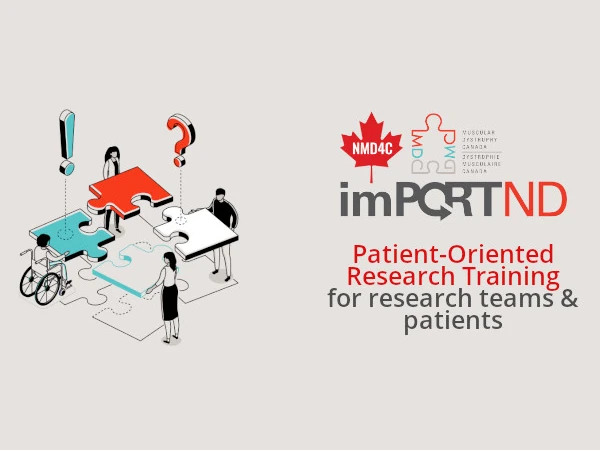
As requirements for patient engagement in research continue to grow, we have fielded many questions from research teams and patients about how they can begin working together.
Taking the first steps towards establishing a patient-oriented research strategy can be the most challenging, which is why we are partnering with Muscular Dystrophy Canada (MDC) to offer free training and support services for research teams and patients to empower all members of the research team to conduct research that is informed by, and most meaningful to individuals living with neuromuscular diseases.
In February we launched our imPORTND training platform to offer online, self-directed, free training modules designed for all members of the study team including researchers and lab staff, and patients and family partners. By taking the imPORTND training, patients and research teams will not only be better equipped to conduct patient-oriented research but can also take advantage of further resources available from MDC to help build partnerships between research teams and trained patient partners.
Matching research teams and trained patient partners, and providing support for patient partner compensation
We are working with MDC to connect research teams with trained patient partners whose experiences and research interests align with the proposed area of research, and support to compensate patient-partners for their involvement.
If you are a researcher interested in learning more about these resources, please contact Dr. Homira Osman, VP public policy and research at MDC to learn more.
About the imPORTND modules
imPORTND has been co-developed with a team of expert patient partners, clinicians, researchers, and patient partner organization members, and is the first patient-oriented research (POR) training developed specifically for neuromuscular disease research. The training modules are available in English (imPORTND) and French (inFORMERMN).
On completion of the imPORTND training (module 1: Readiness for patient-oriented research and module 2: Inclusion/Diversity/Equity/Accessibility), you will be awarded a certificate of completion from NMD4C and MDC.
Read next...
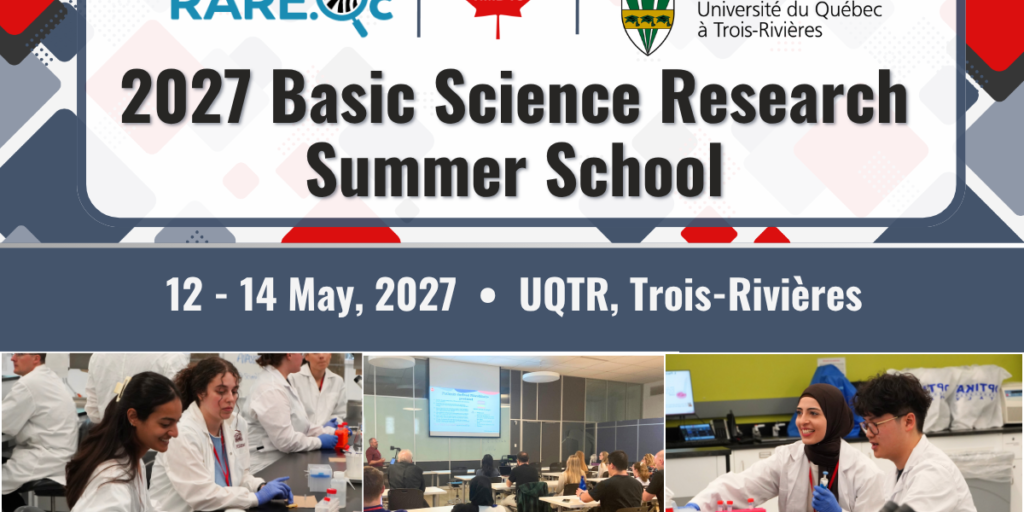
2027 NMD4C–RARE.Qc Basic Science Research Summer School Applications Are Now Open!
Deadline: December 1, 2026
2027 NMD4C–RARE.Qc Basic Science Research Summer School Applications Are Now Open!
The summer school offers neuromuscular and rare disease research trainees the opportunity to participate in an intensive three-day training program focused on cutting-edge experimental and translational research techniques.