Lilit Antonyan
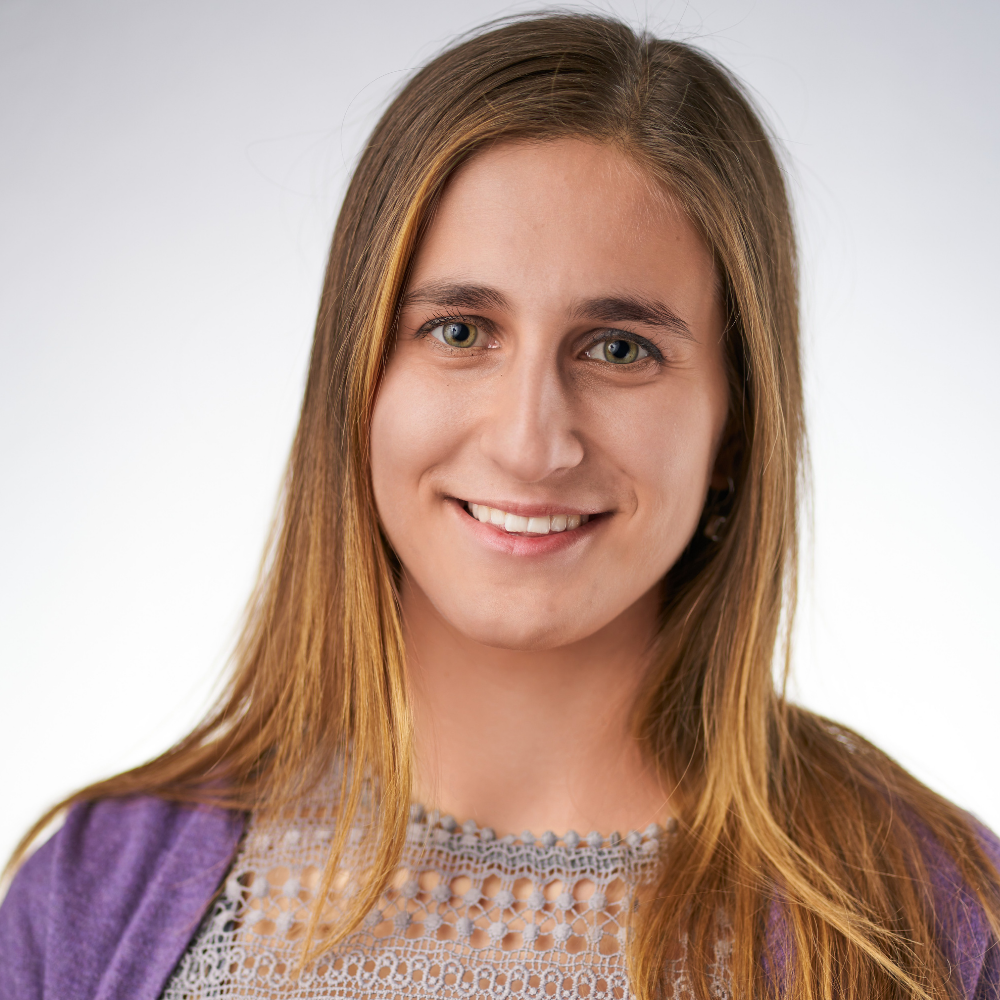
RARE.Qc Research Pillar Coordinator / Research Scientist
McGill University Health Centre (MUHC) Research Institute
NMD4C Involvement: 2027 Basic Science Research Summer School
Email LilitResearch Interests: rare disease, stem cell research, disease modelling, personalized medicine, gene therapy, research support.
Google Scholar profileLinkedIn profile
ResearchGate profile
Lab website
Biography
Recent Publications
Antonyan, L, Zhang, X, Ni, A, Peng, H, Alsuwaidi, S, Fleming, P et al.. Reciprocal and non-reciprocal effects of clinically relevant SETBP1 protein dosage changes. Hum Mol Genet. 2025.34 (8)651-667 PMID:39825586
Hettige, NC, Fleming, P, Semenak, A, Zhang, X, Peng, H, Hagel, MD et al.. FOXG1 targets BMP repressors and cell cycle inhibitors in human neural progenitor cells. Hum Mol Genet. 2023.32 (15)2511-2522 PMID:37216650
Antonyan, L, Ernst, C. Putative Roles of SETBP1 Dosage on the SET Oncogene to Affect Brain Development. Front Neurosci. 2022.16 813430 PMID:35685777
Jefri, M, Zhang, X, Stumpf, PS, Zhang, L, Peng, H, Hettige, N et al.. Kabuki syndrome stem cell models reveal locus specificity of histone methyltransferase 2D (KMT2D/MLL4). Hum Mol Genet. 2022.31 (21)3715-3728 PMID:35640156
Hettige, NC, Peng, H, Wu, H, Zhang, X, Yerko, V, Zhang, Y et al.. FOXG1 dose tunes cell proliferation dynamics in human forebrain progenitor cells. Stem Cell Reports. 2022.17 (3)475-488 PMID:35148845
Bell, S, McCarty, V, Peng, H, Jefri, M, Hettige, N, Antonyan, L et al.. Lesch-Nyhan disease causes impaired energy metabolism and reduced developmental potential in midbrain dopaminergic cells. Stem Cell Reports. 2021.16 (7)1749-1762 PMID:34214487
See more on PubMed