NMD4C Basic Science Trainee Committee Provides Leadership Opportunity for Next Generation of Neuromuscular Researchers
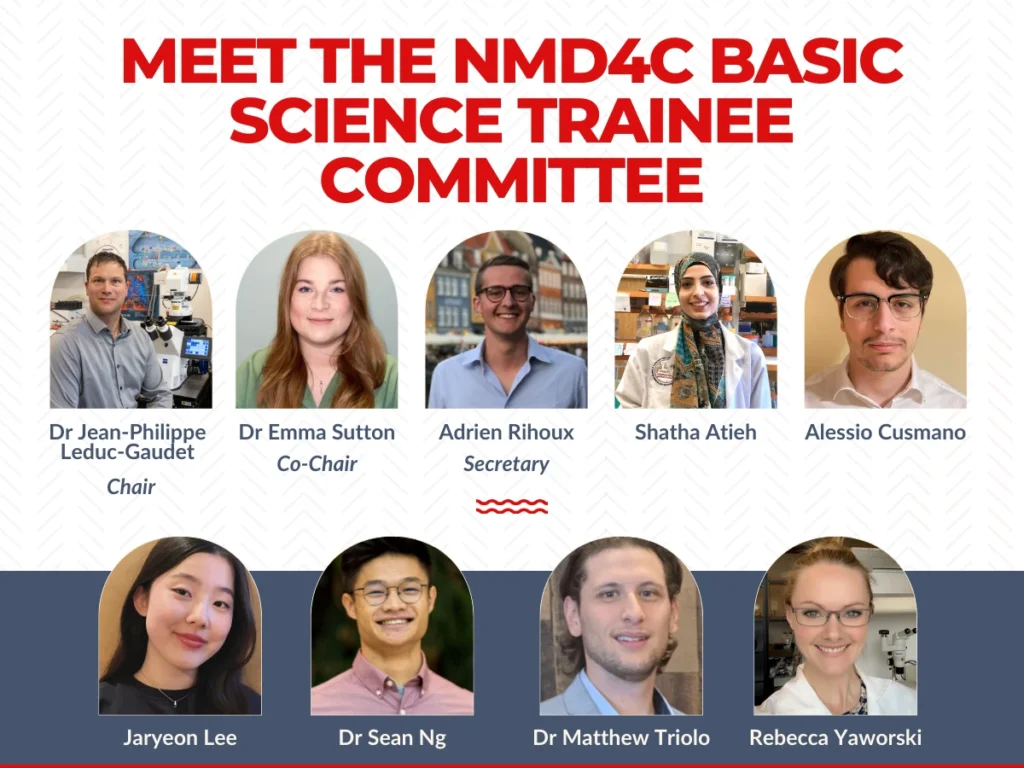
The NMD4C is excited to announce the nine members of the newly-formed Basic Science Trainee Committee! Representing the interests of trainees within the network, the BSTC offers an opportunity for professional growth for future leaders in neuromuscular research.
Committee Chair Dr Jean-Philippe Leduc-Gaudet shares “The formation of the Basic Science Trainee Committee is an exciting milestone for the NMD4C, providing important leadership opportunities for the next generation of neuromuscular researchers and strengthening the trainee voice within the network’s pre-clinical science activities. I look forward to working with this talented group of trainees to make a lasting impact in the Canadian neuromuscular research community.”
The group will work to communicate the training and professional development needs of trainees to the NMD4C pre-clinical science pillar leads, provide feedback, and suggest improvements to existing NMD4C trainee opportunities. Additionally, the BSTC will work on their own projects to strengthen the collaborative landscape of basic neuromuscular research resources in Canada, including:
- Creating an open-source database of research protocols and expertise from neuromuscular research labs in Canada.
- Implementing individual traineeships to learn specialized techniques.
- Supporting the organization of events, workshops, and activities geared towards trainees that promote professional and personal development.
The BSTC is composed of 9 members, including a chair, co-chair, secretary, and general members, reflective of the diversity of the neuromuscular trainee population in Canada
Meet the Team:
- Dr Jean-Philippe Leduc-Gaudet, Chair
- Dr Emma Sutton, Co-Chair
- Dr Adrien Rihoux, Secretary
- Shatha Atieh
- Jaryeon Lee
- Dr Sean Ng
- Dr Matthew Triolo
- Rebecca Yaworski
Read more about the team and their mandate.
Read next...
Save the Date: 2027 Neuromuscular Postdoctoral Fellowship Funding Competition
The 2027 NMD4C/MDC Neuromuscular Postdoc Fellowship Funding Competition will open for applications on September 2, 2026. Our annual funding competition awards postdoctoral funding faward provides salary support for early-career scientists pursuing postdoctoral studies in neuromuscular disease research. Key Dates: Competition Opens: September 2, 2026 Application Deadline: October 14, 2026 Notification of Funding: December 2026 Funds…
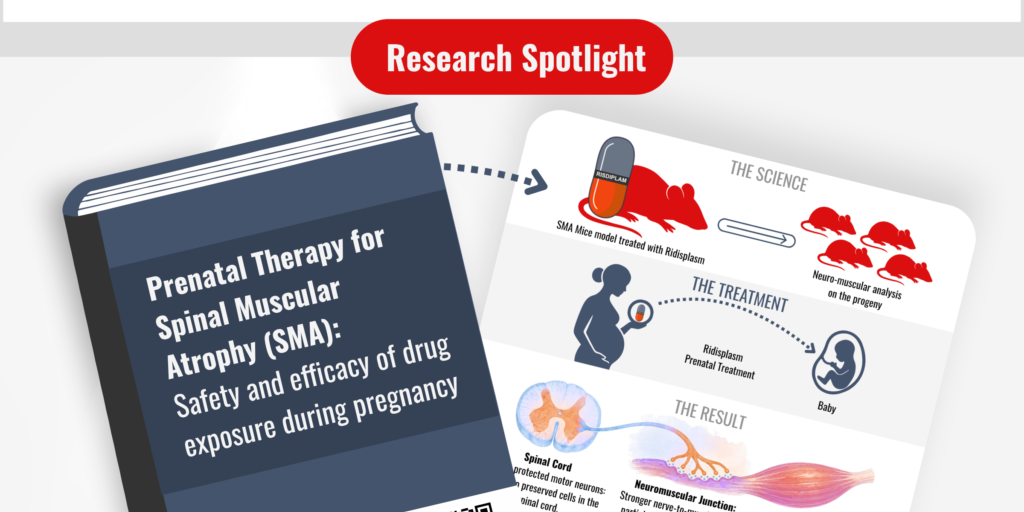
Spinal Muscular Atrophy (SMA) Awareness Month – Research Spotlight
August is Spinal Muscular Atrophy (SMA) Awareness Month, and we are thrilled to feature high-impact research led by members of the NMD4C community!
Published recently in Annals of Neurology, a study titled “Maternal-Fetal Administration of Risdiplam Partially Rescues the SMNΔ7 Mouse Model of Spinal Muscular Atrophy” explores the potential of early prenatal therapeutic interventions for SMA.