European Neuromuscular Centre Themed Workshops
The NMD4C is excited to share that the European Neuromuscular Centre (ENMC) has announced a new initiative: Themed Workshops!
For more than 28 years, the ENMC has organised 260+ workshops, with topics originating from an international group of experts in the field of neuromuscular diseases (NMD). This is a unique concept where the scientific content of the workshop is submitted by NMD researchers and clinicians and where the logistical organisation and funding of the workshop is facilitated by the ENMC. The ENMC’s workshops are aimed to bring together researchers, clinicians and patient representatives from all over the world to encourage communication and international collaboration on specific neuromuscular conditions. The next deadline for these regular ENMC workshops is 1 September 2021!
For the new Themed Workshops, the ENMC will identify special themes which are prioritised by the needs of the neuromuscular patient and research community. These topics are transversal (relevant across many NMDs), multidisciplinary, unique and sustainable (with a long-lasting impact on the neuromuscular community). Organisers, who would like to pick up the theme and apply for an ENMC workshop are free to further define the rationale, background, objectives and resulting deliverables of the workshop.
The theme for 2021 is Post-Covid-19: Issues and opportunities for the neuromuscular field. This theme was selected to provide learning opportunities from the Covid-19 pandemic in two ways:
1) to evaluate how NMD patients were assessed and their care managed during the self-isolation period, and see chances for continuing part of the online monitoring,
2) to understand how neuromuscular signs and symptoms have developed in non-NMD patients who were infected by the Coronavirus.
The call for organisers who would like to apply for an ENMC workshop on this theme is now open and will run until September 30, 2021. For more information, please visit the ENMC website!
Read next...
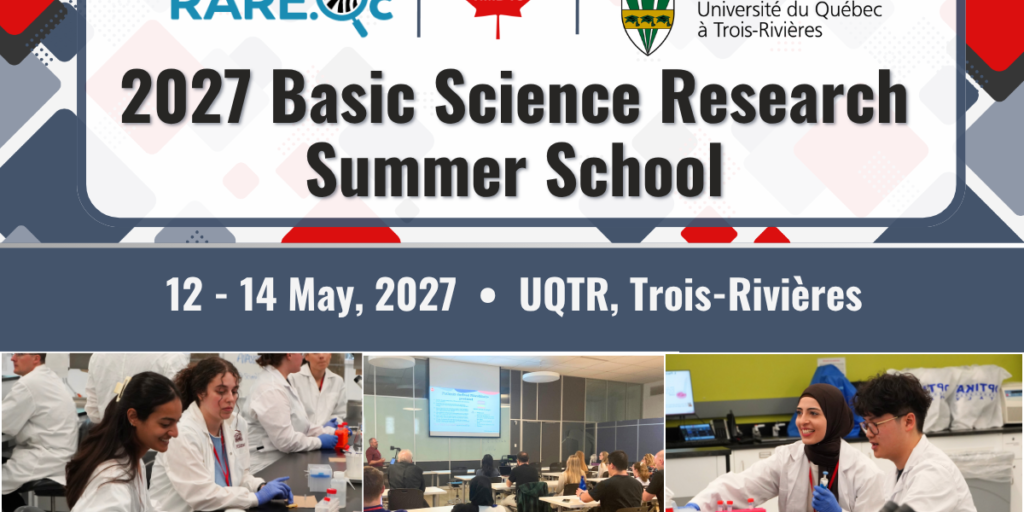
2027 NMD4C–RARE.Qc Basic Science Research Summer School Applications Are Now Open!
Deadline: December 1, 2026
2027 NMD4C–RARE.Qc Basic Science Research Summer School Applications Are Now Open!
The summer school offers neuromuscular and rare disease research trainees the opportunity to participate in an intensive three-day training program focused on cutting-edge experimental and translational research techniques.
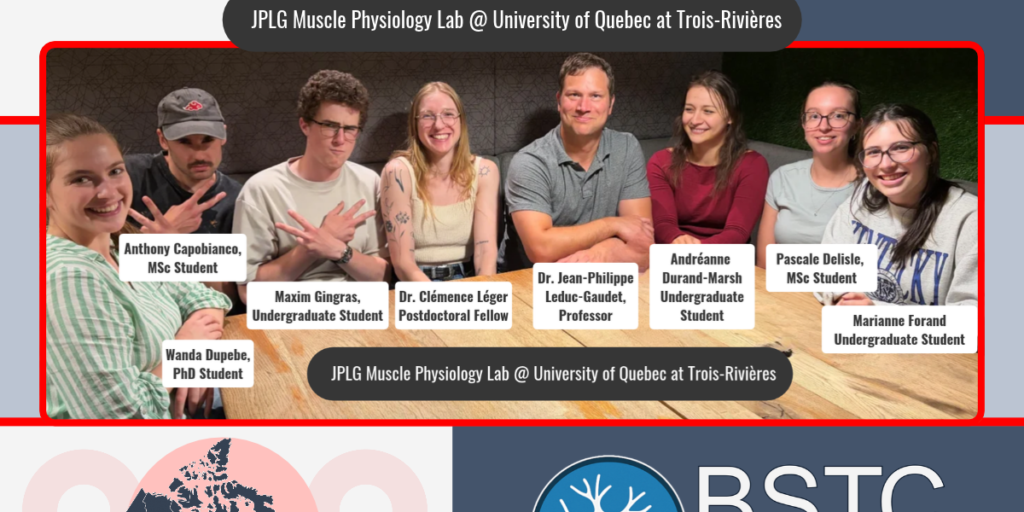
BSTC: Lab of the Month – Dr. Jean-Philippe Leduc-Gaudet’s Muscle Physiology Lab at UQTR
Our new Lab of the Month series which kicks off with the lab of our Basic Science Trainee Committee (BSTC) Chair, Dr. Jean-Philippe Leduc-Gaudet at the Université du Québec à Trois-Rivières (UQTR).
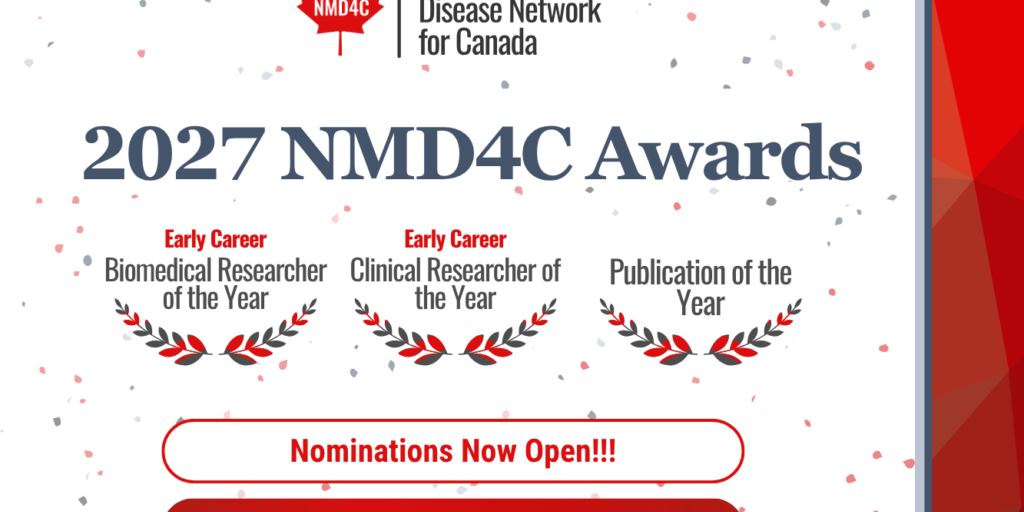
2027 NMD4C Awards Now Open!
Deadline: January 18, 2027 | We are happy to announce our that our 2027 NMD4C Awards are now open! Eligible applicants include postdoctoral fellows, MSc and PhD students, and researchers within five years of their first independent research-related appointment (with eligible leave adjustments as defined by CIHR).