Introducing Our New SOP on Skeletal Muscle Fiber Typing
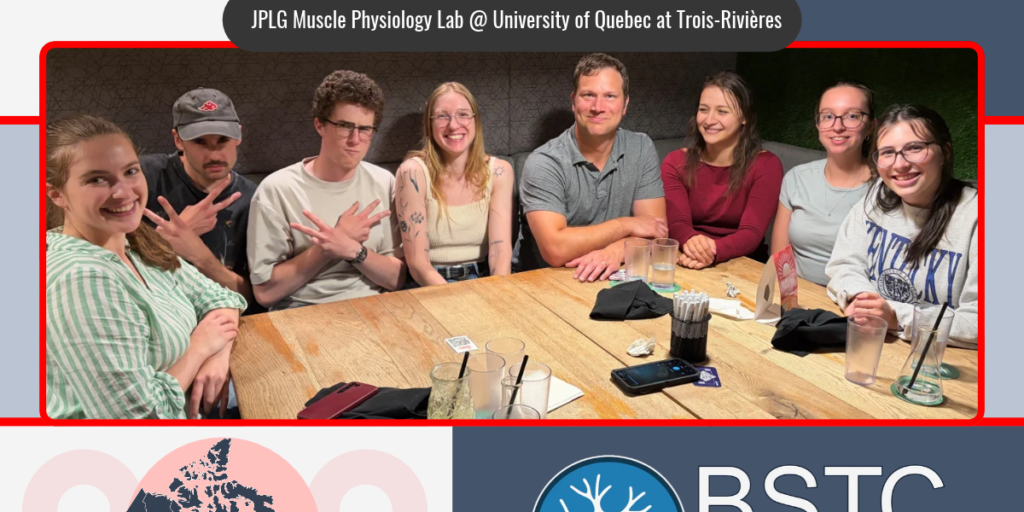
We are excited to announce the release of our latest Standard Operating Procedure (SOP) titled “Skeletal Muscle Fiber Typing & Cross-Sectional Area Analysis using Immunofluorescence Staining for Mice,” developed by our Basic Science Trainee Committee(opens in new tab) (BSTC) member Shatha Atieh(opens in new tab), Phd Student at uOttawa. This SOP aims to provide a comprehensive, step-by-step protocol for staining and analyzing skeletal muscle fibers from any muscle group in various mouse models.
Key Protocol Features
This SOP includes detailed methods for quantifying fiber-type composition using immunofluorescence staining to detect myosin heavy chain (MyHC) isoforms in individual fibers. Commonly used primary antibodies include MyHC-I, MyHC-IIA, and MyHC-IIB, along with laminin for measuring cross-sectional areas (CSA), providing insights into muscle function and health.
Furthermore, the SOP guides researchers in assessing changes in muscle fiber size due to various factors such as disease or exercise by measuring the CSA of individual muscle fibers and visualizing fiber size distributions through statistical analysis.
We invite all researchers to download the full SOP below:
Download Full SOP
Feel free to explore the potential of this SOP in your research, leave your feedback and contribute to advancing the understanding of skeletal muscle physiology!
Visit Our SOP Library
As our SOP Library continues to grow, we are inviting contributions from across the Canadian neuromuscular community. If you have SOPs that could support shared learning and strengthen research practices nationwide, we encourage you to get involved, review our current collection and download our SOP template(opens in new tab). For more information about sharing your SOPs with the us, please contact Erin Beattie(opens in new tab), our Network Manager.
Read next...
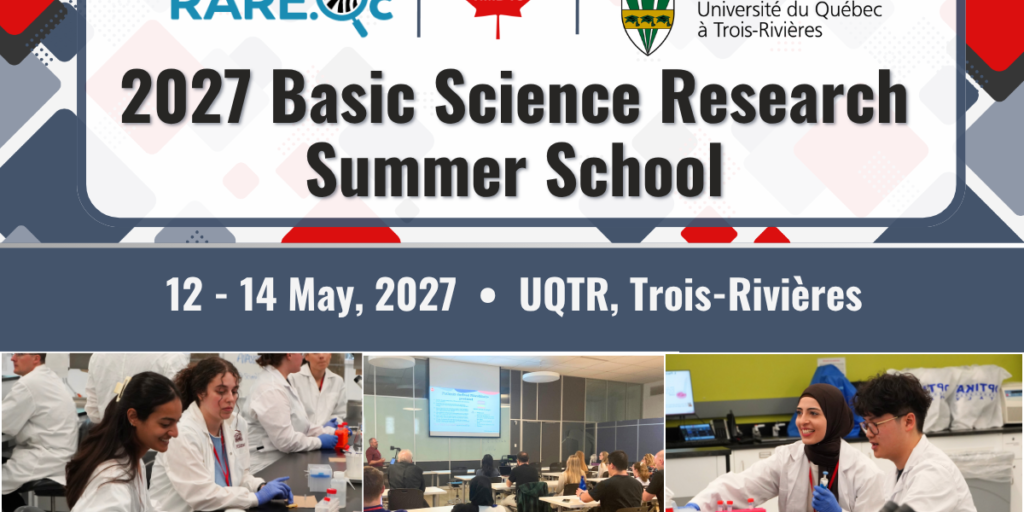
2027 NMD4C–RARE.Qc Basic Science Research Summer School Applications Are Now Open!
Deadline: December 1, 2026
2027 NMD4C–RARE.Qc Basic Science Research Summer School Applications Are Now Open!
The summer school offers neuromuscular and rare disease research trainees the opportunity to participate in an intensive three-day training program focused on cutting-edge experimental and translational research techniques.