100 percent of Canada is Now Screening Infants for Spinal Muscular Atrophy
We are excited to share that all babies born in Canada can now be tested for spinal muscular atrophy (SMA), a potentially fatal neuromuscular disorder. This milestone has been achieved through the leadership of Muscular Dystrophy Canada (MDC) and is the result of a three-year project working with each Canadian province and territory.
“This initiative holds immense value for the entire Canadian neuromuscular and rare disease community, laying the groundwork for future transformative and life-changing initiatives,” said Dr. Homira Osman, VP of Research and Public Policy, Muscular Dystrophy Canada and Co-Principal Investigator, NMD4C. “There are many progressive neuromuscular disorders where time is of the essence: early diagnosis and prompt access to treatments are critical drivers to achieving the best possible outcomes. MDC will now leverage the knowledge and findings gained from this initiative to ensure other neuromuscular disorders are included in newborn screening programs nationwide.”
Read the full press release from MDC
Highlights of the Press Release:
- This milestone means infants diagnosed with SMA, the most fatal genetic disorder in children under two years of age, can receive life-changing treatment before symptoms even develop.
- It marks the first neuromuscular condition to be added to screening panels across the country.
- The addition of SMA to newborn screening panels in all provinces and territories breaks down barriers and inequities families face simply because of where they live. It also acknowledges that screening for rare genetic diseases and access to early care results in positive health outcomes and long-term cost benefits for everyone.
- In 2020, only Ontario and the Baffin region in Nunavut screened for SMA at birth. Today, regardless of where in Canada a child is born, they will receive the same screening; and, if SMA is diagnosed, the same healthcare, treatment and opportunity to thrive.
For more information please contact:
Homira Osman
Vice-President Research & Public Policy
Muscular Dystrophy Canada
437-912-9037
Read next...
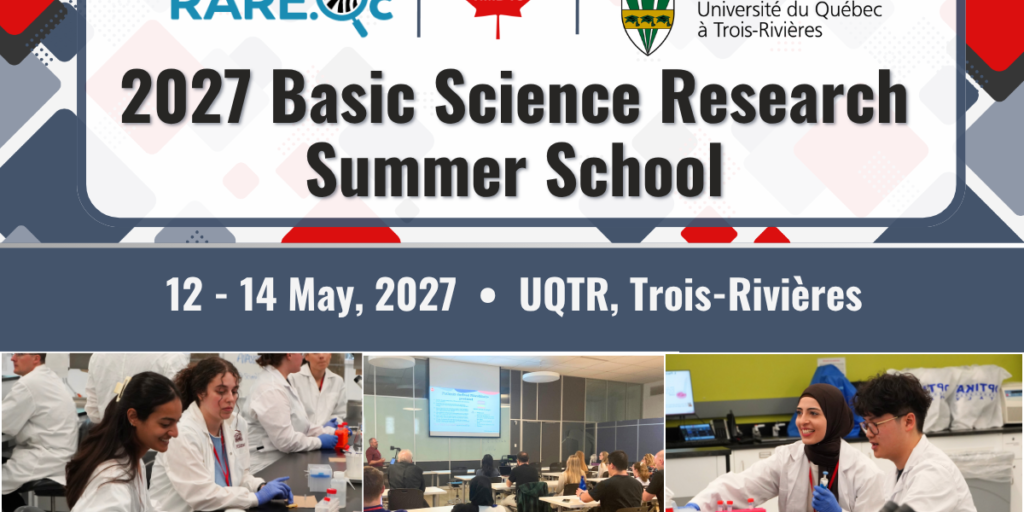
2027 NMD4C–RARE.Qc Basic Science Research Summer School Applications Are Now Open!
Deadline: December 1, 2026
2027 NMD4C–RARE.Qc Basic Science Research Summer School Applications Are Now Open!
The summer school offers neuromuscular and rare disease research trainees the opportunity to participate in an intensive three-day training program focused on cutting-edge experimental and translational research techniques.